Best Coffee Pairings for Sweet Pastries
Best Coffee Pairings for Sweet Pastries
Espresso with fruit danishes draws out tart notes, while a nutty medium roast softens the sugar rush of almond croissants. Pairings work best when the coffee balances the pastry’s sweetness or highlights its key flavors, not when one overpowers the other. A single shot of espresso, about 30 milliliters, can make a glazed pastry taste less cloying, but a large mug of light roast may drown out subtle fillings. The best match depends on roast level, the pastry’s sugar content, and how much bitterness or acidity the coffee brings to the table. Getting this balance right involves a few steps:
- Identify the dominant flavor in the pastry, such as fruit, cream, or nuts.
- Choose a coffee with a roast and acidity that either contrasts or complements that flavor.
- Test the pairing in small sips and bites to watch how each taste changes.
- Adjust portion sizes or try milk additions if the combination feels too sharp or too sweet.
Pairings often fail when the coffee is too intense or the pastry is overly rich, leaving both flavors muddled. Overlooking the strength of the brew or the filling’s sweetness leads to combinations that fall flat.
Why Some Coffees Match Sweet Pastries
A buttery croissant paired with a mild Ethiopian coffee reveals more floral and citrus notes than when tasted alone. This effect comes from the way sugar and fat in pastries interact with acids and aromatic compounds in light roast coffees. A darker roast, rich in caramelized sugars, can balance a sweet Danish but tends to overpower delicate pastries.
Acidity in coffee acts as a palate cleanser, cutting through sweetness and fat, while excessive bitterness can mask the subtle flavors of a pastry entirely.
Pairing a highly acidic coffee with an already tart pastry, such as a raspberry tart, often leads to an unpleasant, sour aftertaste. For the best match, choose a coffee whose dominant note contrasts but does not compete with the main flavor of the pastry.
When the contrast between coffee and pastry is too subtle, the pairing can feel flat and uninspired. Now, the reader enjoys a more pleasant and relaxing coffee break, which they fill by exploring a mobile casino app while appreciating how the dominant note of their drink complements the main flavor of their treat. Many users discover that ice casino app offers generous bonuses to enhance their experience. This thoughtful approach to pairing lets each element shine and sets the stage for more memorable moments.
How Flavors Interact in Pairings

A crisp espresso can sharpen the buttery richness of a croissant, while a bright, fruity filter coffee can lift the dense sweetness of a chocolate tart. The interplay between coffee's acidity, bitterness, and sweetness shapes how flavors unfold with every bite and sip. What delights in one pairing may overwhelm in another, depending on the pastry's sugar, fat, and filling.
Balancing Acidity and Sweetness
Bright, acidic coffees often transform a dense, sugary pastry into a balanced treat. Citrus or berry notes in the cup slice through butter and sugar, keeping each bite lively. These contrasts become most apparent in the following pairings:
- Ethiopian washed coffee with lemon tart – tangy acidity lightens heavy custard and sweet crust
- Colombian single origin with chocolate croissant – fruity notes sharpen cocoa and cut through rich layers
- Kenyan AA with almond danish – crisp acidity lifts marzipan sweetness, preventing palate fatigue
- Panama Geisha with raspberry macaron – tea-like clarity amplifies berry flavors while taming sugar rush
- Guatemalan medium roast with pecan sticky bun – tart apple and cherry notes offset caramelized, sticky glaze
This approach works best when the pastry leans toward syrupy or buttery richness that risks overwhelming the senses. Pairing a bright coffee against such desserts means every mouthful stays distinct, never cloying.
When Bitterness Complements Richness
Double chocolate croissants often overwhelm lighter coffees but become balanced when paired with a robust Sumatra or French roast. Deep bitterness softens the sugary edge and prevents the taste from becoming cloying, especially in dense or caramelized pastries.
| Pastry Type | Coffee Roast | Sugar Content | Resulting Flavor Effect |
|---|---|---|---|
| Chocolate babka | Italian dark roast | High | Bitterness cuts through cocoa, leaving a clean finish |
| Almond danish | Sumatra, extra bold | Moderate | Nutty notes merge, bitterness grounds sweetness |
| Maple pecan braid | French roast | Very high | Bitter edge reins in syrup, no lingering aftertaste |
| Bienenstich (bee sting cake) | Vienna roast | High | Dark roast highlights honey and almond, less heavy |
| Cinnamon roll with icing | Espresso blend | Very high | Coffee bitterness balances icing, flavors stay distinct |
| Portuguese pastel de nata | Colombian dark roast | Moderate | Bitterness prevents custard from tasting too rich |
The choice of roast level often changes the entire experience of a sweet pastry, especially when the sugar or butter content runs high. Opting for a darker roast intensifies contrast and leaves less coating on the palate.
Harmony in coffee and pastry pairings comes from balancing their core traits, not simply matching sweetness. Overpowering acidity or bitterness can flatten delicate flavors, while thoughtful contrasts highlight the best in both.
Common Pairing Mistakes to Avoid

Pairing a heavy, dark roast with an extremely sugary Danish often leads to a muddled palate. Overly sweet pastries can overwhelm subtle notes in lighter coffees, while a bitter brew may clash with rich fillings.
- Enhanced flavor contrast when acidity meets creamy textures
- Balanced sweetness that prevents cloying mouthfeel
- Clearer tasting notes from both coffee and pastry
- Aromatic complexity that complements spiced desserts
- Bitterness overpowering delicate pastries
- Sugar masking coffee's floral or fruity notes
- Rich fillings making light roasts taste thin
The best combinations highlight unique flavors in both the coffee and the pastry, while poor matches leave both tasting flat or discordant. Focusing on contrast or complement rather than strength alone changes the entire experience.
Pairings That Surprise Most People
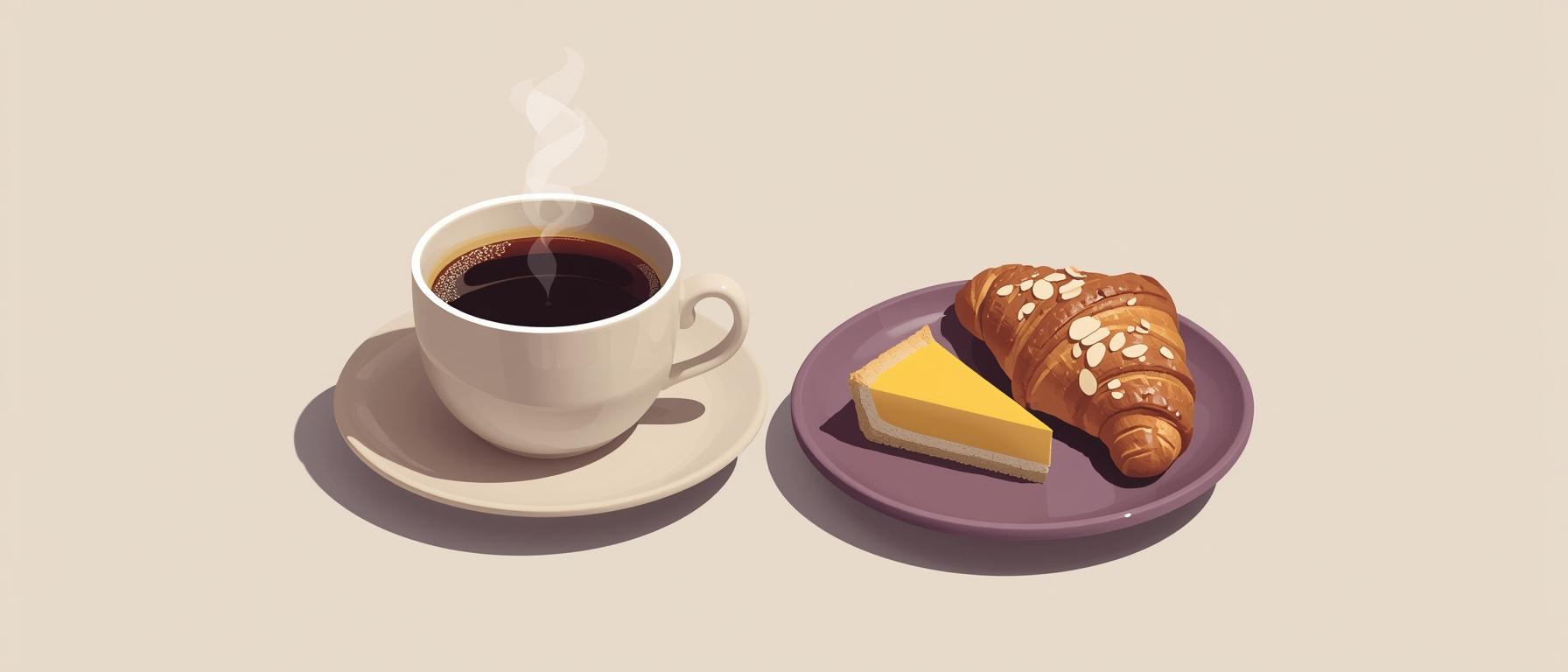
Unexpected combinations often deliver the most memorable flavors. Lightly bitter espresso balances the sweetness of a maple bar or jam-filled doughnut, cutting through sugar and highlighting hidden notes.
Salted caramel macarons and a bright, citrus-focused light roast make a striking pair. The coffee’s acidity amplifies the pastry’s subtle salt, creating a complex contrast often missed with darker blends.
Pairing a honey glazed cruller with cold brew reveals floral undertones in both. These matches challenge assumptions and reward those who try something new.